Colour carries weight long after the paint dries. When I walk into a room in Stamford, Oakham, Rutland or Melton Mowbray, I can usually tell whether the homeowner trusted their instincts, their Pinterest board, or a professional. The difference shows not only in the shade but in where that shade sits, how it behaves in the light, and how it talks to the rest of the home. Accent colours are the quickest way to shift mood without rebuilding your palette. Done right, they deliver energy, calm, or character for relatively little paint and time.
I’ve spent years as a painter in Stamford and nearby towns, called in to refresh listed cottages, tidy up modern builds, and fix the odd colour mishap. These notes come from rooms I’ve lived in for days at a time. The advice is grounded in our local light, our brick, our timber, and the way people actually use their spaces.
What accent colours really do
An accent shade isn’t just a bright stripe. Think of it as a nudge that helps your eye navigate a space. It might pull you toward a doorway, highlight the turn of a staircase, or warm up a north-facing wall that reads a bit chilly. A good accent stands apart, but it also belongs. It should talk to the main colour, your flooring, your fabrics, and the view out of your windows.
In Stamford, many homes have limestone outside and softer neutrals inside. The stone throws a honeyed reflection on bright days and cooler greys on dull ones. That swing matters when you’re picking accents. A blue that looks airy on a paint card can turn icy in a north-facing room. Likewise, a red that felt rich in a shop might read loud in a sun-filled kitchen by midday.
There’s also the question of how much accent you see at once. Painting one wall in a bold colour has its uses, but I don’t rely on the feature wall alone. You can create more subtle, layered accents on skirting, inner doors, banisters, alcoves, or even the inside face of a front door. Smaller areas give you control over intensity and allow you to repeat the shade in a few places for cohesion.
Stamford light, Rutland stone, and what they do to colour
Local materials and skies shape colour choices more than people think. Stamford’s pale limestone bounces light differently than the red brick you see closer to Melton Mowbray. In Rutland’s villages, the stone shifts again, and many cottages have small windows, thick reveals, and low ceilings. Those features change how an accent behaves.
In a terraced Stamford house I worked on last spring, the hall took light only from the original fanlight and a borrowed glow from the front room. The client wanted a deep green accent on the staircase wall. On the card, it looked perfect. On the wall, it absorbed what little light came through and left the hall feeling tight. We kept the green, but we moved it to the spindles and the underside of the handrail, then lifted the walls to a warmer off-white with a hint of yellow oxide. The green suddenly looked jewel-like, not dingy, and the hall breathed again.
In Oakham, I’ve seen more contemporary builds with larger glazing. Strong accents tolerate bigger surfaces there, especially if the floors are pale oak or a cool tile. A deep blue kitchen island in a bright, modern extension can sing. In a 200-year-old cottage near Uppingham, that same blue needs softening, maybe a slightly grubbier version with grey in it and a lower sheen.
Where accents work best
Accent colours don’t have to mean a single wall. In fact, the best results usually come from smaller, repeated moves that knit the room together without shouting. I often suggest one or two of these placements to clients in Stamford and the surrounding towns:
- Inner doors and edges: Painting the door face a vibrant shade adds interest when the door is closed, but doesn’t overwhelm when open. A contrasting door edge is a confident move that reveals itself only when the door swings. Skirting and frames: Darker trim can ground a room and makes pale walls look fresher. It also hides scuffs better in busy homes in Melton Mowbray or Oakham where kids and pets clip corners. Alcoves and niches: Older Rutland cottages offer odd recesses. A deeper tone in those shadows feels intentional and adds depth. Stair spindles or the risers: Colour on the risers gives movement as you climb, and accents the staircase without touching the treads. The back of a shelf or cabinet: Useful for kitchens and studies, especially if you display crockery or books. A muted accent behind items helps them pop without visual clutter.
A single accent placement rarely stands alone. I like to repeat the colour in two or three small moments: a door, a lamp base, a cushion, or a framed print. Your eye links those dots and reads the scheme as coherent, not random.
Choosing the right kind of contrast
Not all contrast is equal. You can go complementary, analogous, or tonal, and each route has its own feel.
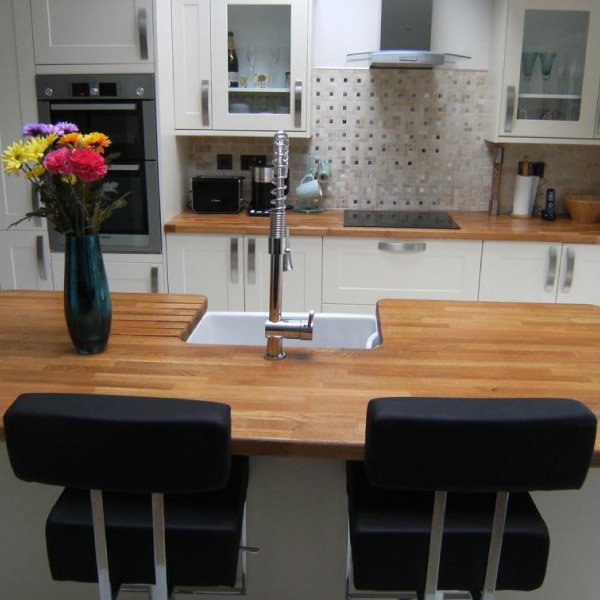
Complementary pairs, like blue and orange, bring energy. In a Stamford kitchen with cream units and terracotta tiles, a clean blue works well on bar stools or a pantry door. The trick is to soften at least one of the pair. A punchy orange next to a pure blue can look like a sports team. A paprika orange next to a slightly greyed navy feels grown up.
Analogous schemes travel within a narrow band on the colour wheel, say blue through green. They’re easier to live with. A gentle aqua on a bathroom vanity plays nicely with sage towels and a soft vetiver wall. In Oakham bathrooms with less natural light, this approach keeps things calm.
Tonal contrast depends on lightness and darkness, not hue. If your living room is a soft greige, a near-black on the skirting and inner doors gives crisp definition. It’s a quieter kind of statement than a bright accent, and it pairs well with antiques and contemporary pieces alike. I used this in a Stamford townhouse where the client had mixed oak, steel, and velvet. The dark trim pulled it together without forcing a strong colour into every corner.
Sheen level matters as much as shade
People focus on the swatch and forget finish. I’ve seen a perfect colour look wrong purely because the sheen was off. Gloss bounces light and can amplify colour, but it shows defects in older woodwork. Eggshell or satin is more forgiving and suits period homes around Rutland, where timber tends to ripple with age. On walls, a modern washable matt helps diffuse light and hides minor imperfections.
For deep accents, go down a notch in sheen if you want sophistication. A forest green in eggshell on doors feels soft and established. The same green in full gloss shouts and can drift into a heritage pastiche unless everything else is equally formal.
In kitchens and bathrooms, practicality matters. A satin or durable eggshell on cabinets and trim holds up better to steam and splashes. For a Painter in Stamford who revisits homes for maintenance, the reduced touch-up visibility in a lower sheen can save you from obvious patches later.
The local palette: what I reach for most
Every town develops its own visual rhythm. In Stamford you see lots of warm whites, soft putties, and grounded blues. Oakham homes often lean contemporary, with cooler greys and clean woods. In Rutland villages, old timber and stone favour earthier notes. Melton Mowbray’s red brick can nudge interiors toward neutrals that won’t fight the warmth outside.
Here are accent families I keep returning to, with notes from real jobs:
- Deep greens with grey in them: Think olive, laurel, or the green of an old cricket bench. This works on inner doors and kitchen islands. I used a cool olive on a pantry door in a Stamford terrace with a limestone floor; it made the cream units feel intentional, not bland. Inky blues: Not royal, not electric, but the blues you see in old uniforms or the dusk sky. They flatter brass hardware and butcher’s block tops, popular in Melton Mowbray kitchens. Watch northern light, which can turn them cold; warm bulbs help. Muted reds: Brick, plum skin, or oxblood rather than primary red. A snug in Rutland with a plum fireplace wall felt like a proper winter refuge. We picked a chalky finish and a heavy cotton Roman blind to soak up sound. Tobacco and ochre: I’m careful here because these shades can go sickly if too clean. In south-facing rooms with lots of daylight, they glow. I used a tobacco skirting in an Oakham living room with pale walls and charcoal sofas; it put warmth at the base and kept the room grounded. Charcoal and near-black: Excellent on bannisters, media units, and radiators. It gives definition without adding a new hue. Works across styles, from Georgian details in Stamford to newer developments on the town edges.
Rooms and how they behave with accents
Every room has rules, but they’re more like guidelines I bend based on proportions, light, and what the room does for you.
Superior Property Maintenance & Improvements61 Main St
Kirby Bellars
Melton Mowbray
LE14 2EA
Phone: +447801496933
Halls and landings tend to be routes rather than destinations, especially in terraces. People often paint them white and leave them. If your hall is narrow, keep the walls light and move your accent to the trim or the handrail. I sometimes paint the lower third of a hallway wall in a durable mid-tone, separated by a slim pinstripe line, which offers a practical scuff guard and a visual layer.
Living rooms do two different things: day and night. In Stamford with its street-facing windows, privacy and evening mood matter. Accents that sink back under lamplight work well. Deep trim or a rich fireplace wall lets you switch from a bright daytime look to a cocoon after dark. If your scheme leans neutral, repeat the accent on a coffee table tray, a frame, or a lampshade banding to avoid a single patch of colour.
Kitchens handle the most abuse. Accent colours on lower cabinets or an island are popular because they take knocks better when darker. A soft green or blue on the island in Oakham extensions looks great against pale quartz. If you’re not ready to commit cabinet paint, try the stool legs, the larder interior, or the splashback grout. Yes, grout. I’ve used a soft clay-toned grout behind white metro tiles to create a subtle accent line that runs the length of a kitchen without trapping you in a bold tile for years.
Bedrooms reward restraint. Strong accents belong on headboards, wardrobes, or the inside of a wardrobe door, which gives a little lift when you start your day. I painted a pair of built-in wardrobes in Melton Mowbray a deep petrol, leaving the walls a warm cream. In the evening, the wardrobes read as shadow and the room felt bigger. The client added a throw in a matching tone to tie the bed into the story.
Bathrooms present a special challenge: small space, high sheen from tiles, and lots of white. I tend to keep walls calm and place the accent on the vanity, the bath panel, window frame, or a painted mirror surround. If the room faces north, push warmth into the accent to counter the blue light.
Heritage details and when to respect them
In Stamford, you see beautiful mouldings, wide skirting, and original panel doors. Painting everything white takes the easy road, but it can flatten the detail. I sometimes paint panel insets a fraction darker than the stiles and rails, or paint the picture rail and cornice a shade deeper than the wall. It’s a small change that adds sophistication, especially in rooms with high ceilings.
If you’re working around original stained timber, sample carefully. Old pine can throw an orange reflection that skews nearby colours. In a Rutland cottage with heavily waxed beams, we tested six samples across a week. The safe choice on day one looked wrong by Friday because the client changed bulbs to warmer LEDs. If you have beams, shift toward earthier accents, and keep wall whites warmer. Avoid blue-grey accents near orange-toned timber unless you want sharp contrast. Some people do, but it’s a deliberate look.
When a feature wall is useful, and when it’s not
The feature wall gets a bad name, but it still has a place. If your room has a clear focal point that coincides with the wall you’d accent, such as a fireplace or a bedhead wall, go ahead. Keep the other three walls supportive rather than competing.
Avoid a feature wall if your room shape is awkward or if the accent would land on the longest, blank wall with no architectural anchor. In those cases, you often get a big slab of colour that feels disconnected. Move your accent to framing elements: the bookcase back, door, window reveals, or even the ceiling if the room is low and you want to create a canopy effect.
Colour testing without guesswork
Paint charts and phone screens lie by omission. They show pigment unmixed with your light, your floor, and your textiles. I bring boards primed and painted with two coats, at least A4 in size, preferably A3. We stick them around the room and live with them for three days. Put samples next to the skirting, behind the sofa, and by the window. Rotate them. Check morning, afternoon, evening, and under lamps. If you’re hiring a Painter in Oakham or a Painter in Melton Mowbray, ask for boards, not wall patches. Boards let you move the sample away from your final finish and avoid flashing or ghosting beneath the topcoats.
When comparing, line up three options: warmer, cooler, and a neutral middle ground. The middle one often wins because our eyes like balance. But sometimes the room needs a shove. In a north-facing Stamford study, the middle grey felt dull. A warmer green lifted the space and made the oak desk glow.
Little mistakes I see, and how to avoid them
Too clean a colour: Bright, clean pigments in a room with aged materials can look out of place. Pick slightly dirtier versions when your home has beams, old stone, or antique pieces.
Too many accents: One strong colour, repeated cleverly, beats five different bright notes. If you love many colours, you can rotate accessories seasonally while keeping painted accents stable.
Ignoring floors: Floors are the biggest surface after walls. A honey oak floor will warm everything; a grey tile will cool it and can make blue accents feel wintery all year. Bring a floor sample into your testing area if you’re renovating.
Wrong primer: Dark accents over a white primer can take three to four coats. Use a tinted primer that sits near your finished shade. You’ll save time and get better coverage.
Sheen mismatch on trim: Mixing gloss architraves with eggshell skirting looks disjointed. Keep trim finishes consistent unless you have a reason not to.
Practical finishes and durability
If you’ve got kids, dogs, or heavy footfall in Melton Mowbray or Rutland, pick scrubbable wall paints for zones like the hall and kitchen. Accent areas at hand height, like banisters and doors, need a hardwearing eggshell or satin. In bathrooms, specify a moisture-tolerant paint with a mild fungicide. It’s not glamorous, but it prevents that faint grey bloom near the ceiling.
Radiators deserve a note. I often paint them in the wall colour to make them disappear, but a near-black or deep accent can turn a plain panel into a feature if the room lacks a focal point. Use a proper radiator enamel to avoid yellowing under heat.
For metals like stair spindles with old lead paint, proceed carefully. If you suspect lead in a Stamford or Rutland period property, test before sanding. I’ve had to switch to chemical strippers and full containment on a few projects, which adds time but keeps everyone safe.
Working accents through connected spaces
Open-plan layouts in Oakham extensions and newer Stamford builds blur room boundaries. One colour must hand off to the next without a jolt. I map all visible planes before choosing accents. If your kitchen island is deep blue and the living area wall will carry the TV, consider a related charcoal on the media unit rather than a new hue. Repeat the island blue on a single interior door or a shelf back to make it feel at home across the space.

In traditional homes with separate rooms, the trick is the door reveal. Painting the reveal the colour of the room you’re entering helps the transition. A warm green in your snug can peek through from the hallway and invite you in without dominating the hall itself.
Budgets, time, and where to spend
You don’t need to repaint a whole room to feel a change. A door set, skirting, and one built-in can be done in a day or two, depending on prep. If you’re hiring a Painter in Stamford, ask for a breakdown: prep time, coats, and drying between. The best value in my experience comes from doors and furniture. One well-chosen accent on a tired wardrobe or a sideboard often has a bigger visual payoff than repainting four walls the same pale neutral.
If budget is tight, invest in proper surface prep and decent brushes. A cheap brush leaves streaks and hairs, which show more in darker accents. Don’t skimp on primer when shifting from a varnished surface to painted. Interior House Painter superiorpropertymaintenance.co.uk If you want to reduce costs, keep your accents close to existing colours so fewer coats cover.
Colour and mood, honestly considered
Colour psychology can veer into astrology, but there are patterns I trust. Blues calm if they have grey in them and sit in rooms where you already feel at ease. Greens soothe in studies and bedrooms, especially if you like plants. Reds excite appetite and conversation, which is why dining spaces can carry them, although I keep them muted to avoid glare. Yellows are tricky in our climate; clean yellows can sour under grey skies. If you crave sun, look toward ochre or wheat tones rather than lemon.
It’s also worth thinking about how long you’ll live with the accent. I tell clients to imagine the room in February at 4 p.m. and in July at 10 a.m. If you only love the colour in one season, it may not be a good base accent. Far better to pick something you like year-round and bring seasonal change through textiles and flowers.
A few tiny projects with big returns
If you want to test your tolerance for accent colour, start small. Paint the inside of your front door a confident shade and keep the exterior traditional, which satisfies conservation concerns in parts of Stamford’s older streets. Try a deep tone on a radiator cover in the hall, pair it with a runner that carries a whisper of the same colour. Or repaint a tired lamp base. These little moves cost little, and they teach your eye what you enjoy daily.
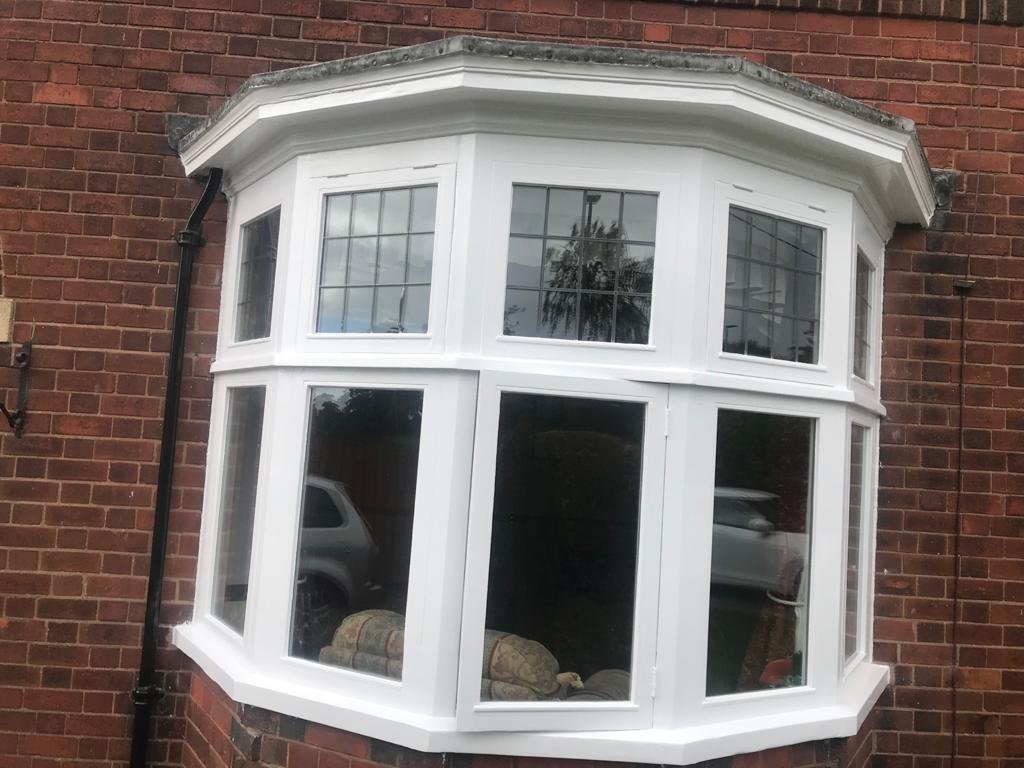
In Melton Mowbray, I once refreshed a rental flat with nothing more than new skirting colour, a dark media shelf, and a painted headboard wall that stopped at the height of the bed. It pulled the ceilings up visually, hid scuffs, and gave the tenant a sense of ownership without violating the landlord’s pale walls rule.
What to ask your painter
If you’re working with a Painter in Rutland, Stamford, Oakham, or Melton Mowbray, your questions should be practical as well as aesthetic. Ask for sample boards in the exact finish you plan to use. Confirm the brand and range, not just the colour name, since different bases vary in depth and cleanability. Discuss how many coats are in the price, what primer is specified, and how the painter will protect adjacent surfaces. If you’re keeping some existing paint, ask how they’ll feather edges to avoid ridges. If you plan to repaint furniture as your accent, confirm whether it needs degreasing or a bonding primer.
I also recommend talking through maintenance. Deep accents on doors and skirting will show knocks. A good painter will leave you with a small labelled pot for touch-ups and notes on dilution if necessary.
When to break your own rules
I’ve told clients for years to respect light, test thoroughly, and lean into muddy tones in older homes. Then I painted a powder room under the stairs in Stamford a bright coral at the client’s insistence. It should have fought the cool stone floor. It didn’t. We matched a warm bulb and a brass mirror, and the little room became a smile in the middle of a sensible house. The rule we broke was balance. The house handled the jolt because everything else was understated.
If a colour makes you happy every time you see it, that matters. My job as a painter is to keep you from expensive mistakes and give that joy a place to live.
Bringing it together
Accent colours are tools, not tricks. They direct attention, correct light, and broadcast character. In our corner of the world, with its shifting skies and beloved stone, they also have to play nicely with what’s outside your window. Work with your home’s bones. Use sheen to dial up or down. Place accents where your hands and eyes go first: doors, trims, rails, cabinets. Test on boards. Repeat a good colour in small ways across a room rather than shouting once and stopping.
Whether you call a Painter in Stamford for a listed townhouse, a Painter in Oakham for a new-build kitchen, a Painter in Rutland for a snug with beams, or a Painter in Melton Mowbray for a rental refresh, the principles hold. Let the space tell you how much colour it can carry, choose pigments that look like they belong to your materials and your light, and give the eye a few gentle anchors. You’ll feel the difference every time you step through the door.